



JASON'S STORY
Before his accident, Jason’s life was busy and straightforward. He worked as a machinery operator, first in Newman and later FIFO from Perth. Outside of work, he enjoyed restoring old cars and motorbikes, camping with his parents, and spending weekends paint-balling with mates.
On 21 November 2017, everything changed.
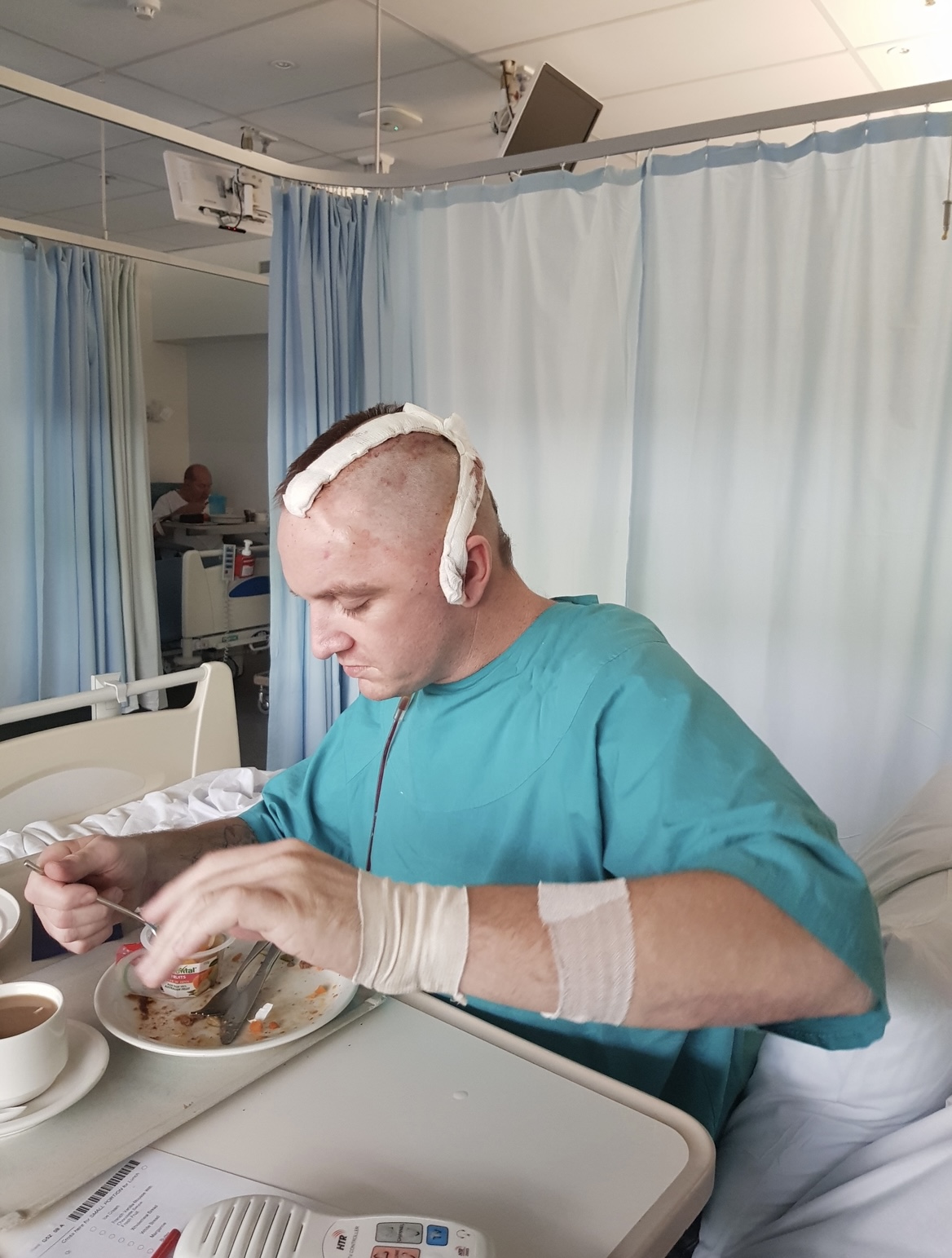
Jason was involved in a high-speed motorcycle crash at a roundabout. He sustained a traumatic brain injury, along with multiple fractures and internal injuries. He underwent emergency surgery and spent 11 days in ICU.
When Jason woke weeks later, it was difficult to understand what happened.
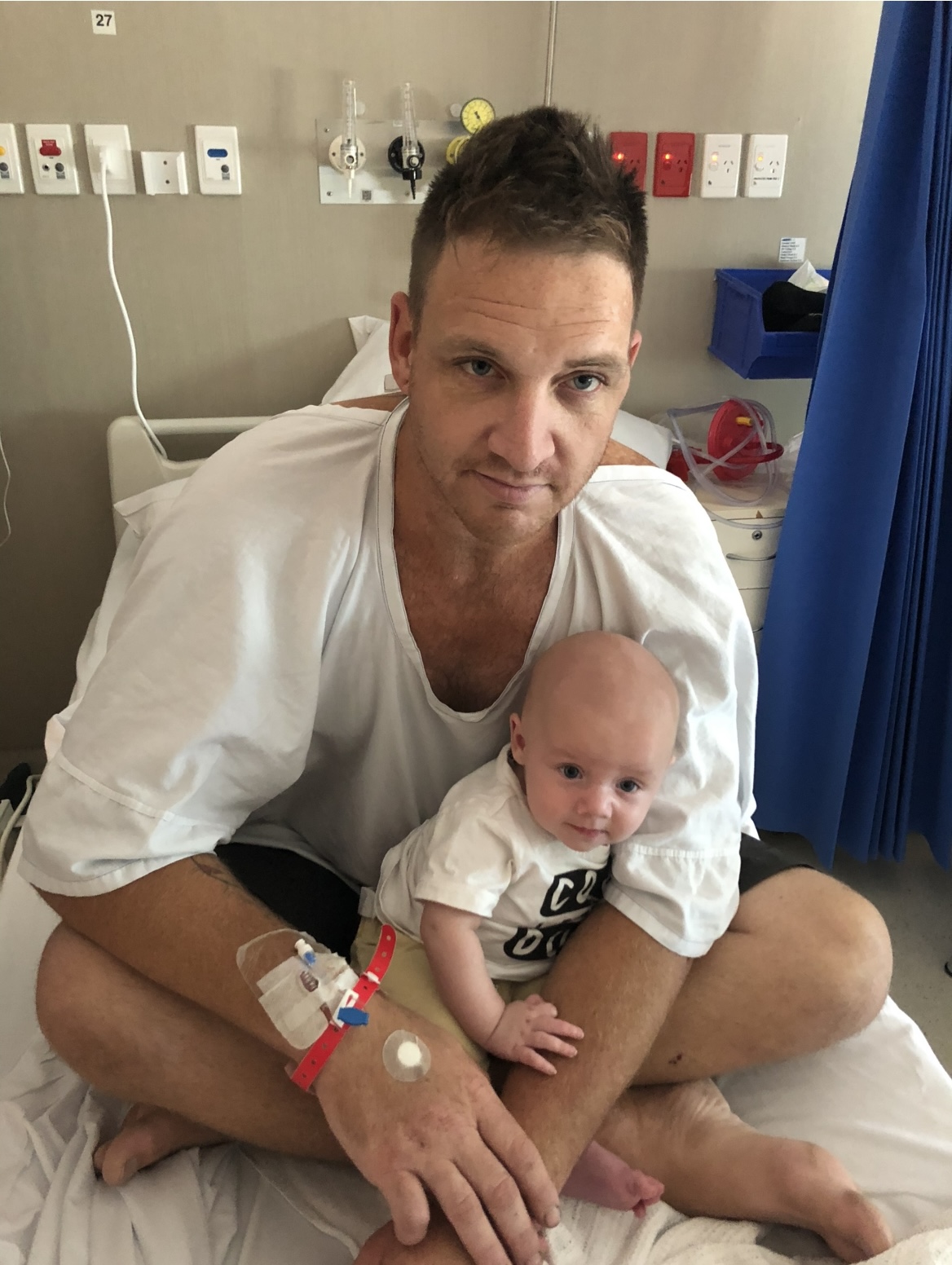
His recovery journey took him through rehabilitation, further surgery, and eventually home in January 2018. But leaving hospital was only the beginning. Ongoing infections required more treatment, including intravenous antibiotics and twice-daily nursing care at home.
Simple tasks no longer felt simple. Using an iPad, navigating a computer, or remembering why he had walked into a shop suddenly needed concentration, patience and support. “The brain injury really affects your ability to remember things day by day,” Jason says. “Sometimes you feel stuck in a loop... or you get lost in Bunnings and can’t remember why you went there.”
The injury affected more than memory. Friendships became harder to maintain and life grew quieter. Jason’s dad, Lindsay, retired to support him, helping him adjust to a very different pace of life.
From the start, support played a vital role in his life. Alongside his hospital teams, the Catastrophic Injury Support Scheme helped Jason and his family navigate life after hospital. With support from a Care Services Coordinator, they organised equipment, nursing care and a team of health professionals.
Recovery became a long-term process.
Occupational therapy helped Jason manage memory, planning and fatigue. Speech pathology supported communication and attention. Physiotherapy addressed pain and mobility, while psychology helped him understand and adapt to the many changes in his life.
Progress was not always easy. Concentration was harder, sleep was disrupted, and energy levels remained low. But Jason says the support around him made a lasting difference; “ICWA was just a phone call away”. His psychologist has also been a constant source of support. “We couldn’t have stayed motivated without Dr. Nicky.”
Today, many of Jason’s challenges are hidden. Memory difficulties, sleep issues, and the loss of his sense of smell.
Not all the changes have been physical. Jason speaks openly about having less enthusiasm for life than before his injury and having to rethink what the future might look like.
Yet alongside those losses has come growth. “I’ve learnt that I’m stronger than I thought.”
Jason reflects that he is more patient now. “Everything just takes much more time, and you can’t force it,” he says. His dad adds that he’s become “a lot nicer too”, a comment that still gets a laugh.
One of the greatest joys in his life arrived after the injury: his two children. “They bring me the best joy in the world.”
Today, Jason’s goals are focused on what matters most: supporting his family, continuing to build independence, and returning to work in a way that is sustainable. Success looks different now, but it is still progress.
He is honest about the realities of recovery. “It’s a long road and you can’t rush things,” he says. “You won’t always get back to where you were before the accident, but you can still enjoy things in life.”
His advice to others is simple: Stay positive where you can. Work with the people supporting you. Be patient with the process. And remember that recovery takes time.
Nearly ten years after his injury, Jason’s story is not about returning to the person he was before the accident. It is about moving forward. With support, determination and resilience, he continues to build a meaningful life, one that includes challenge, growth, and the greatest joy of all, his children.
You can access each story here:
Page Last Updated 31 Aug 2026