


LAURA'S STORY
Five months after her 21st birthday, Laura’s life changed forever.
Before her accident, she was working towards a nursing degree and living a busy, active life. Between university, placements, gym sessions, babysitting, helping during harvest, and spending time with friends and family, there was always something happening. Graduation was only six months away.
On 19 January 2023, Laura was a passenger in a car involved in a serious crash near Pingrup.
“No-one in the car was wearing seatbelts unfortunately, and alcohol was involved, along with reckless driving,”
Laura sustained life-threatening injuries, including a traumatic brain injury and a stroke. She was flown to hospital by the Royal Flying Doctor Service, a journey that saved her life.
Her family rushed from all over Western Australia to be by her side.
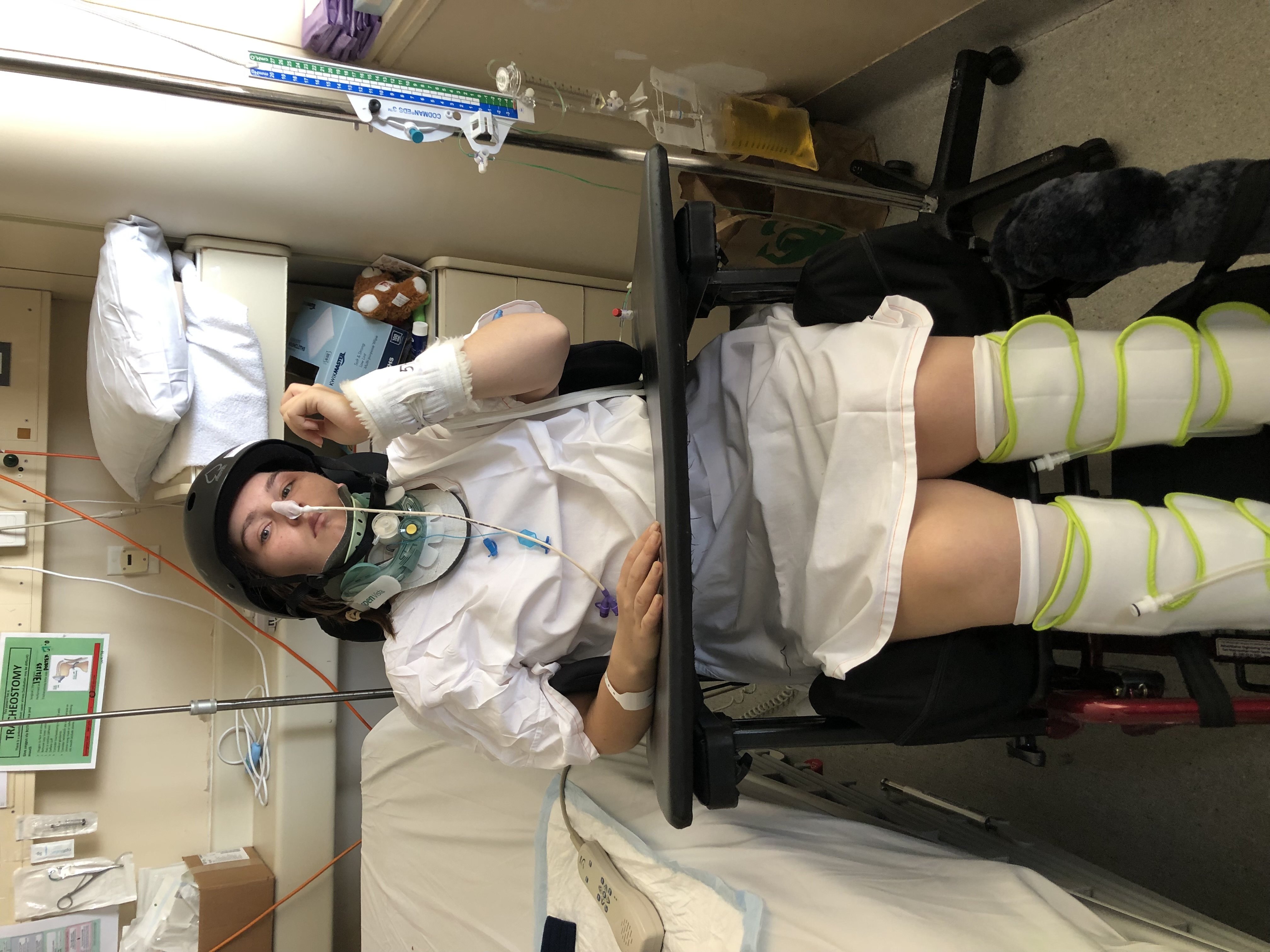
Laura spent a week in a coma and 10 days in intensive care. During that time, she underwent emergency brain surgery and needed a tracheostomy, feeding tube and neck brace. At one point, her family were told she might not survive, and if she did, she might never walk or talk again.
What followed was a long and uncertain road. Laura spent the next 10 months in hospital. The early months were some of the hardest. There were setbacks, including multiple infections and further surgery, but recovery continued.
Emotionally, she was trying to process what happened. Physically, she was exhausted, sleeping often and adjusting to a body that no longer worked the same. Rehabilitation became her full-time job.
Occupational therapy, physiotherapy and speech therapy filled her days, often with multiple sessions daily. Her dad, Hal, says her approach never changed. “She views it like a job; she just gets up and goes.”
Laura committed fully to her recovery. She arrived early, worked hard, and gave every therapy session her best effort.
Progress came gradually.
At first, she relied on a wheelchair. Over time, she worked towards walking again, while also adapting to new ways of doing everyday tasks, including using one hand.
Outside of therapy, family and friends became an important source of strength. Her parents and sisters supported Laura every step of the way.
As her recovery progressed, Laura and her family found a way to give back.
Together they created “Laura’s Army” to raise funds for the Royal Flying Doctor Service (RFDS), the organisation they credit with saving her life. What began as rehabilitation walking soon became something much bigger.
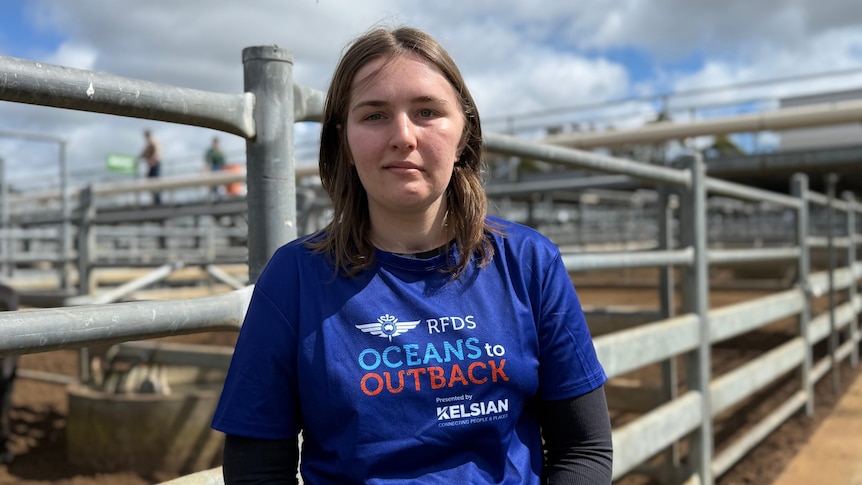
Laura took part in the RFDS Oceans to Outback Challenge and, alongside her family and community, helped raise more than $20,000, becoming one of WA’s top fundraising teams. She later set herself an even bigger goal: walking 50 kilometres for the RFDS.
For someone once told she might never walk again, it was an extraordinary achievement.
Today, Laura’s life remains focused on recovery. She describes the process as feeling “wired”, requiring constant effort and adjustment. She is not currently working, but she is still working hard every day.
One of the biggest lessons she has learned is patience.
“I want people to let me take my time,” she says. “That’s my pet peeve.” She knows that speaking, thinking and processing can sometimes take longer now, and understands the importance of allowing herself that space.
Laura’s message to others is simple: Don’t drive under the influence of alcohol. Don’t speed. Remember how quickly life can change.
Looking ahead, Laura has clear goals. She has regained her driver's licence and is working towards returning to work, living independently, and one day returning to university. Step by step, she continues moving forward.
Her story is not defined by a single moment of recovery. It is about showing up, again and again. With patience, determination and the support of those around her, Laura continues to prove what is possible. As her dad says: “Anything she has done, she has done well.”
That determination is helping carry her forward every day.
You can access each story here:
Page Last Updated 31 Aug 2026