

LIZ'S STORY
On 13 June 2017, Liz caught the bus to a youth volunteer meeting, something that reflected who she was: engaged, caring, and always giving her time to others. Arriving early, she decided to cross the road to a café where she worked. When crossing, a car turning in the filter lane hit her, throwing her eight metres.
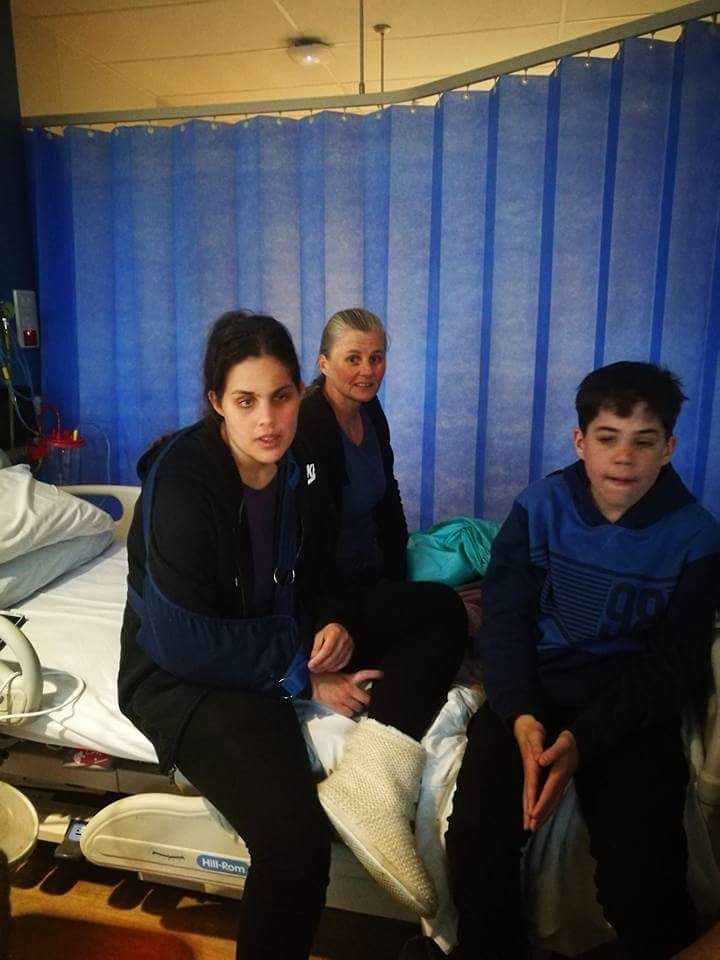
She doesn't remember what followed. Her mum was called by police, and Liz was rushed to Royal Perth Hospital, where she was already in a medically induced coma. For Liz, recovery had begun before she even knew it.
Her life was steady and full of possibility, before the crash. Liz was outgoing, community-minded, and close to her family, especially her grandmother, who passed away only months earlier.
When Liz woke, her first words were, “I love you, Mummy.” It’s a moment her family will never forget.
But recovery was difficult. Liz struggled to communicate, frustrated when words wouldn’t come. Her balance and cognition were affected, and emotionally she struggled, trying to process something she couldn’t fully remember. There were moments of anger, confusion and exhaustion, often directed at those closest to her, especially her mum, who became her main support.
After seven weeks in hospital, including ICU and rehabilitation, Liz returned home. It looked like progress from the outside, but it was just the beginning of a much harder journey within.
Liz felt ‘mad at how slow things were’.
Rehabilitation became her daily life. With support via the Catastrophic Injury Support Scheme, Liz underwent occupational, speech, and physiotherapy. The days were hard. But she found motivation in her family, and from determination within herself.
During this time, she was told she might not work, study or drive again: “I wanted to prove them wrong”. And she did, step by step. Rebuilding her speech. Regaining balance. Returning to independence. In March 2019, after three on-road assessments, she was cleared to drive again.
About 18 months after the crash, Liz quietly enrolled in TAFE. Starting with a Certificate III in Community Services, she went on to complete multiple qualifications in youth work, mental health, and alcohol and other drugs. She is now studying a Diploma and considering university.
Learning still takes longer, she admits, but she has adapted. “It just means doing things differently… but you still get to the end result and that’s exciting.”
Not all recovery was visible for Liz; she was also diagnosed with anxiety and depression, seeking help when she felt ready. Today, she continues to see a psychologist and is supported by her GP, TAFE and community.
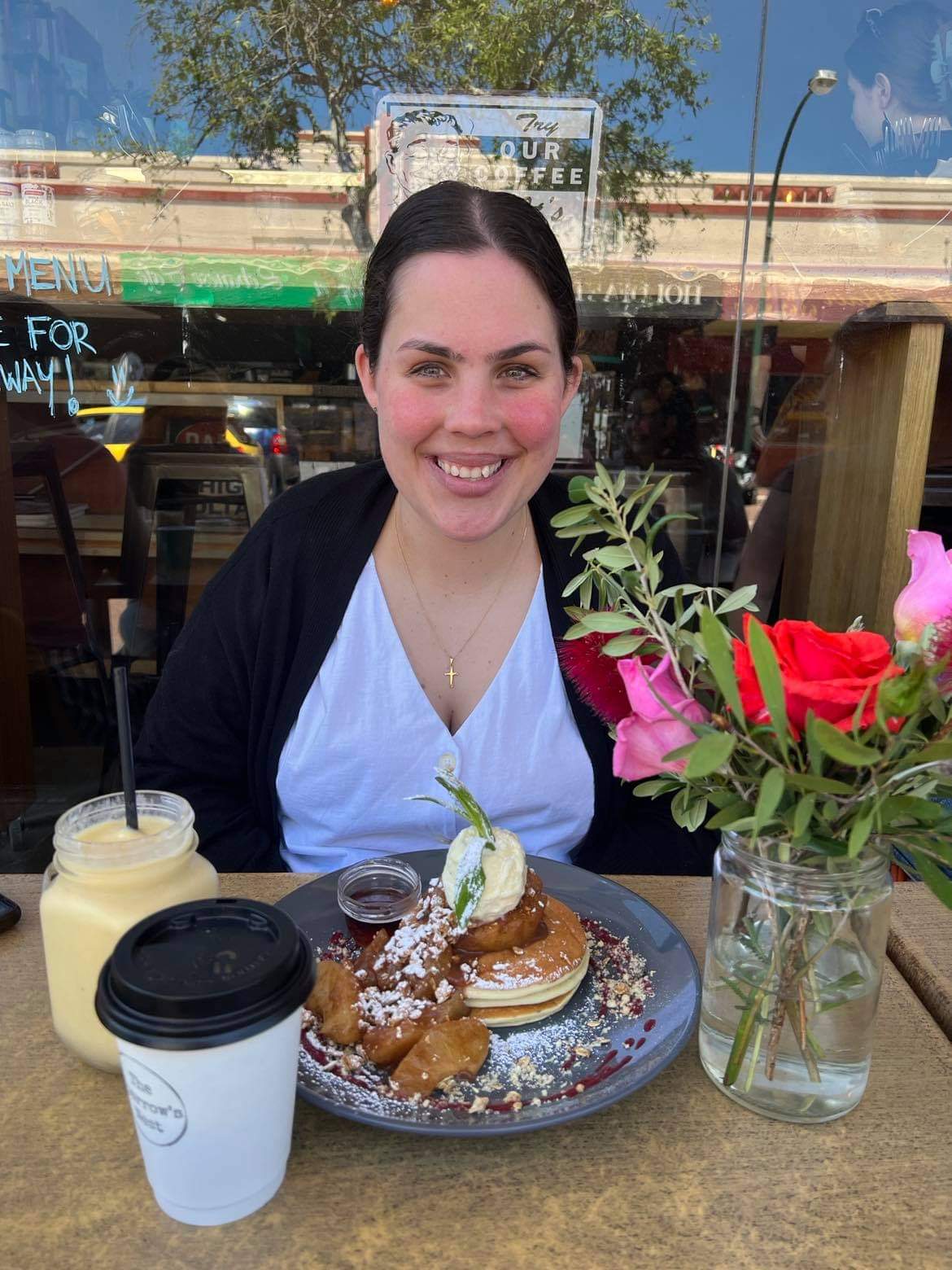
Now, living largely independently, Liz says most people wouldn’t know she has a brain injury. But she notices it, especially when she’s tired or overwhelmed. “Not all injuries you can see… but they’re still there.”
Her experience has changed her perspective and shown her strength. “I’m more resilient than I thought I was.”
Liz has since returned to her high school to share her story during World Day of Remembrance for Road Traffic Victims, an experience she describes as “special.”
When she reflects on her journey, one of the biggest things she recognises is her own resilience. “I didn’t think I had it in me,” she says. She also speaks a lot about support and how important it is to have the right people around you, and to accept help when you need it.
She hopes to work in youth and mental health, in the future, drawing both on her studies and lived experience.
Her message to others is simple:
Recovery can feel like a dark tunnel, but there is light at the end. Take the support that’s offered. Be patient with the process. And remember, recovery looks different for everyone.
You can access each story here:
Page Last Updated 31 Aug 2026